Introduction
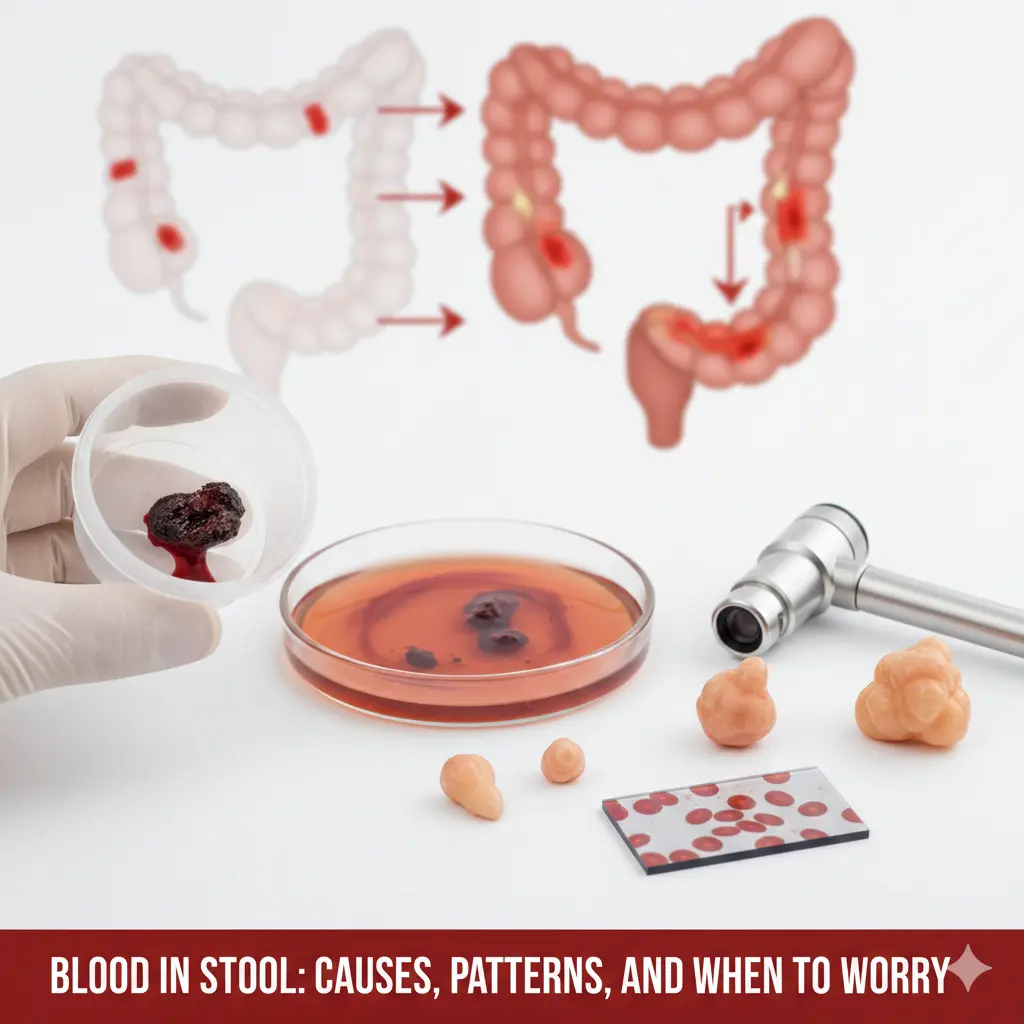
Blood in stool can range from harmless causes like hemorrhoids to conditions that need medical evaluation. What matters most is color, persistence, and accompanying symptoms, not a single episode.
Seeing blood during a bowel movement is alarming, even when there’s no pain. Online information often swings between reassurance and panic, without explaining how clinicians actually interpret bleeding. This article breaks down the real causes of blood in stool, how color and pattern guide concern, common misinterpretations, and when bleeding deserves medical attention—clearly and calmly.
Why Blood Appears in Stool at All
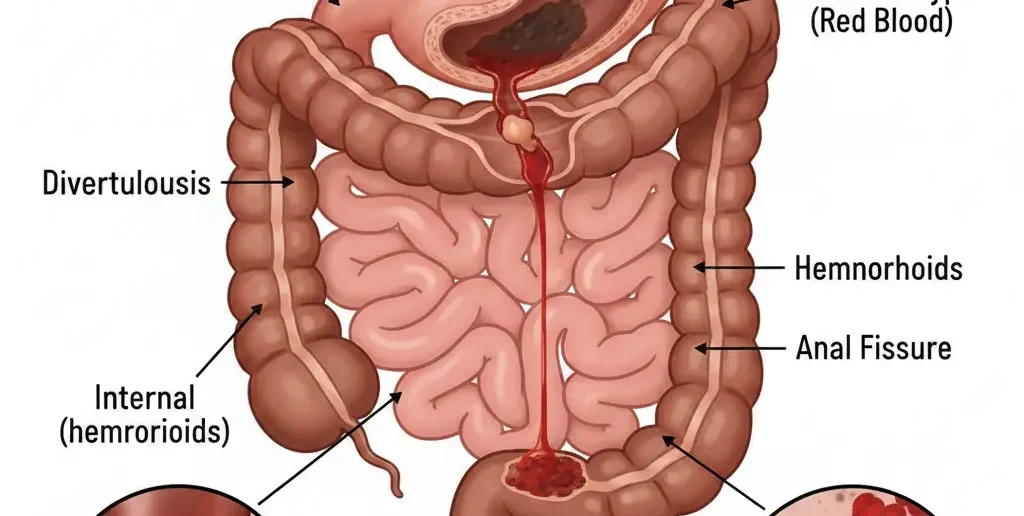
Blood appears when something irritates, inflames, or injures part of the digestive tract. The location of bleeding strongly influences how blood looks when you see it.
The digestive tract is long, so blood from different areas behaves differently before it exits the body.
SERP Gap: What Most Articles Oversimplify
Most pages say:
“Bright red = hemorrhoids”
“Dark blood = serious”
This is incomplete and misleading. Color helps, but pattern and repetition matter more.
Information Gain: Color Guides Location, Pattern Guides Risk
Here’s the key insight missing from many top results:
Color hints at where bleeding comes from, but frequency and progression determine urgency.
Blood Color and What It Often Suggests
Bright Red Blood
Usually indicates bleeding near the rectum or anus.
Common causes:
Hemorrhoids
Anal fissures
Straining
Often seen:
On toilet paper
On stool surface
Dark Red or Maroon Blood
May indicate bleeding higher in the colon.
Often mixed with stool.
More concerning when persistent.
Black or Tarry Stool
Indicates older blood, often from the upper digestive tract.
Always deserves prompt evaluation.
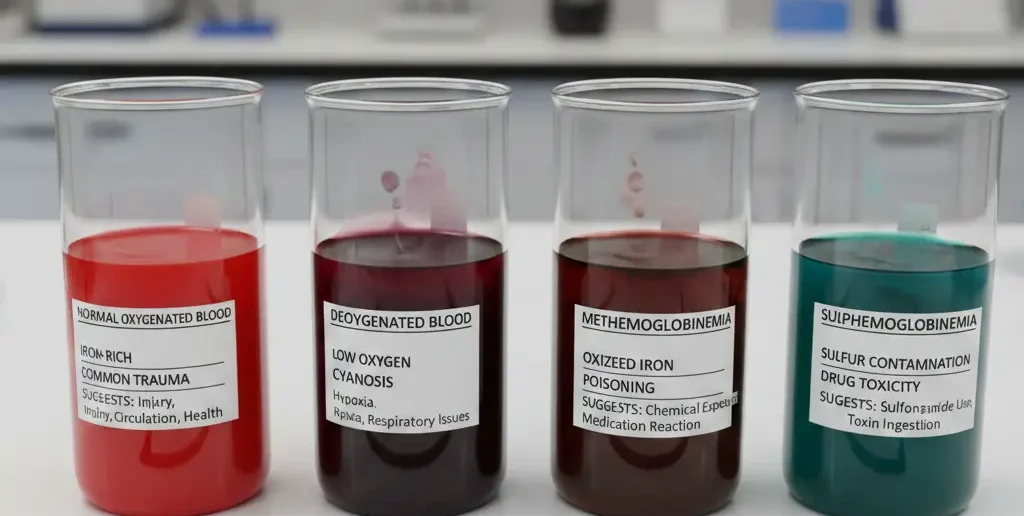
Table: Blood Appearance vs Common Causes
Blood Appearance Likely Source Typical Cause
Bright red, on tissue Rectum/anus Hemorrhoids
Bright red, streaked Lower rectum Fissures
Dark red, mixed Colon Inflammation
Black, tarry Upper GI tract Ulcer, bleeding
This table reflects clinical interpretation—not fear-based assumptions.
Common Causes of Blood in Stool (Most to Least Common)
Hemorrhoids
The most frequent cause.
Bleeding is usually painless and intermittent.
Anal Fissures
Small tears from hard stool.
Often painful during bowel movements.
Inflammation or Infection
May include diarrhea, urgency, or discomfort.
Colon Polyps or Tumors
Bleeding is often subtle and persistent.
UNIQUE SECTION: Myth vs Reality
Myth: Blood Always Means Cancer
Reality: Most cases come from benign causes.
Myth: No Pain Means No Problem
Reality: Some serious causes bleed painlessly.
Myth: One Episode Means Emergency
Reality: Persistence matters more than a single event.
Common Mistakes People Make (and Fixes)
Mistake 1: Ignoring Repeated Bleeding
Fix: Track frequency and duration.
Mistake 2: Assuming It’s Always Hemorrhoids
Fix: Reassess if bleeding continues despite improvement.
Mistake 3: Focusing Only on Color
Fix: Note pattern, amount, and associated symptoms.
[Expert Warning]
Blood in stool that persists, increases, occurs without straining, or appears with fatigue, weight loss, or abdominal pain should always be evaluated.
When Blood in Stool Is More Concerning
Bleeding deserves attention when it:
Happens repeatedly over weeks
Is mixed within stool
Appears with bowel habit changes
Occurs at night
Is accompanied by unexplained fatigue
These patterns suggest evaluation rather than observation.
[Pro-Tip]
If bleeding improves as stool softness improves, hemorrhoids or fissures are far more likely than colon disease.
FAQ
Q1. Is blood in stool always serious?
No. Most cases are from hemorrhoids or fissures.
Q2. What color blood is most concerning?
Dark or black stools deserve prompt evaluation.
Q3. Can stress cause blood in stool?
Stress alone doesn’t cause bleeding but can worsen straining.
Q4. How long should I wait before seeing a doctor?
Repeated bleeding over days or weeks should be checked.
Q5. Can hemorrhoids bleed without pain?
Yes. Painless bleeding is common with hemorrhoids.
Q6. Should I ignore one episode?
One isolated episode may not be serious, but monitor closely.
Conclusion
Blood in stool is frightening, but most cases have benign explanations. Understanding color, persistence, and context helps separate minor issues from those needing medical attention. One episode rarely tells the whole story—patterns do. Calm observation, not panic, leads to better decisions and timely care when needed.
Internal Links
Early Colon Polyps Symptoms: Why Most People Feel Nothing at First 2026