Introduction:
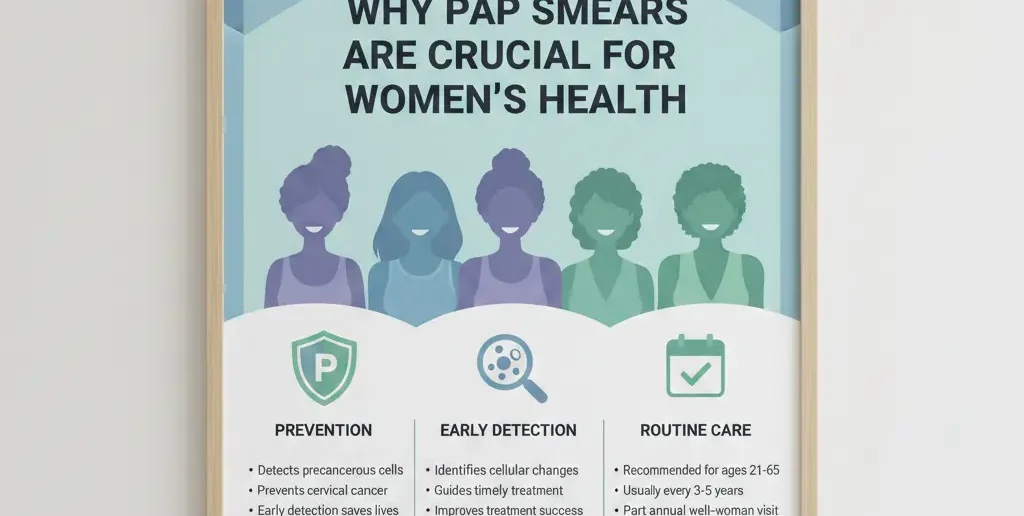
Why Pap Smears Are Crucial for Women’s Health
Pap smears are:
• A preventive screening
• A diagnostic procedure
They can:
• Detect early signs of cervical cancer
• Identify abnormal cell changes before cancer develops
For most women, Pap smears are a simple but vital part of maintaining health, helping doctors prevent or catch cancer early.
What Most Articles Miss About Pap Smears
Many resources oversimplify the Pap smear process:
• They just say, “Get a Pap smear every X years.”
• They don’t explain why the frequency can change.
This oversimplification can lead to confusion about when to get screened and why it’s important.
Information Gain: Pap Smears Are Not One-Size-Fits-All
The frequency of Pap smears isn’t arbitrary; it’s based on:
• Age and overall health
• Previous test results
• Risk factors, like HPV or a family history of cervical cancer
Most guidelines are risk-based, focusing on personal history, rather than a generic timeline.
https://youtube.com/@babarkhan031-v7i?si=05gRYICBzjvyF-r1
Typical Pap Smear Intervals (General Guidance)
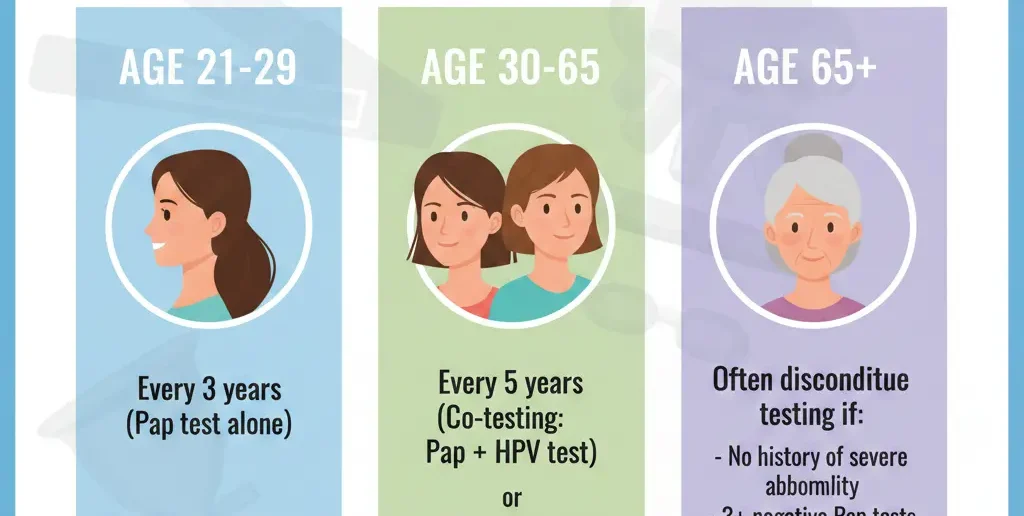
Women Aged 21-29:
• Pap smears are generally recommended every 3 years, even if there are no symptoms.
• This interval is crucial for catching early abnormalities, such as HPV infections.
Women Aged 30-65:
• Women with normal Pap smears and HPV tests may extend the screening interval to every 5 years.
• Those who have abnormal results may require more frequent screenings.
Women Over 65:
• If previous tests have been normal, many women can stop having Pap smears.
When Should You Get a Pap Smear?
Women at Higher Risk:
• Individuals with a history of cervical cancer or abnormal Pap smear results may need more frequent testing.
https://youtube.com/@babarkhan031-v7i?si=05gRYICBzjvyF-r1
• Those with weakened immune systems (e.g., HIV-positive individuals) or who have been exposed to DES (a medication given to pregnant women from the 1940s to the 1970s) may also require earlier or more frequent screenings.
Table: Pap Smear Frequency by Risk Factors
| Situation | Typical Interval | Why |
| Age 21-29, normal results | Every 3 years | Preventive screening for early signs of cancer |
| Age 30-65, normal results | Every 5 years | Reduced risk with normal results and HPV test |
| High-risk (HPV, past abnormalities) | Shorter intervals | Closer monitoring of risks |
| Post-65, no abnormal results | No screening needed | Low risk with past normal tests |
This approach reflects real-world clinical practice, where frequency is personalized to individual risk profiles.
UNIQUE SECTION: Common Misunderstandings About Pap Smears
Pap smears are not just for women with symptoms—they’re a preventive measure for all women of screening age. Staying up-to-date with screenings can save lives.
Common Mistakes People Make (and Better Choices)
Mistake 1: Thinking You Don’t Need a Pap Smear if You Feel Fine
• Fix: Even if you’re symptom-free, regular Pap smears are necessary to detect early signs of cervical changes.
Mistake 2: Not Updating Your Health History
• Fix: Always inform your doctor about any changes in health, family history, or symptoms to ensure accurate screening.
Mistake 3: Not Following Up on Abnormal Results
• Fix: If your results come back abnormal, follow your doctor’s advice on follow-up testing, such as a colposcopy.
[Expert Warning]
Any symptoms like unusual vaginal bleeding or pain during intercourse should be evaluated, even if your last Pap smear was normal.
How Doctors Decide When to Schedule a Pap Smear
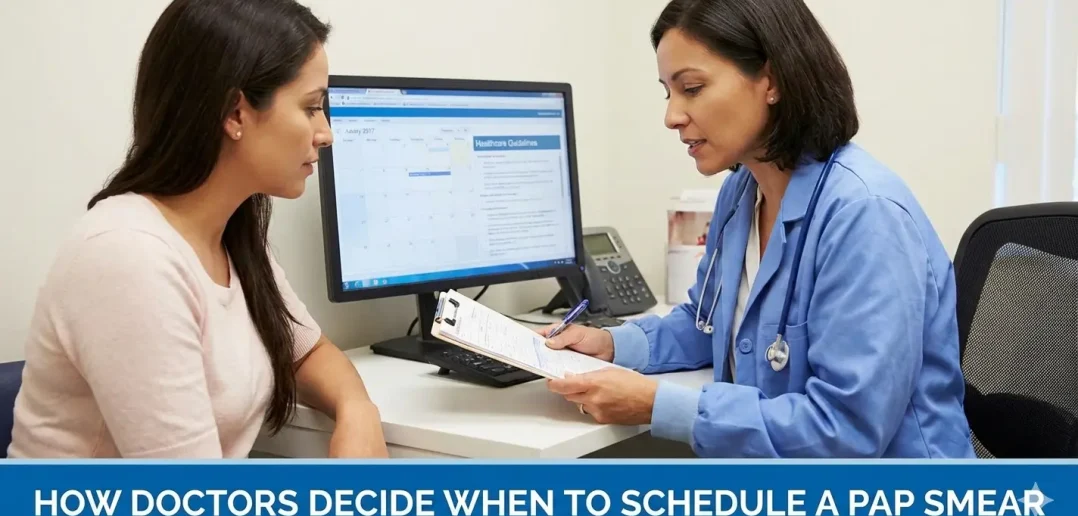
Doctors consider:
• Age and medical history
• Prior test results
• New symptoms, if any
Screening intervals are tailored to maximize health benefits, based on individual needs and risk factors.
[Pro-Tip]
If you’ve had consistent normal Pap smears, long intervals between screenings are a good sign that your health is stable—no need for worry.
FAQ:
Q1. How often should a woman get a Pap smear?
Usually every 3 years, depending on age and health.
Q2. Can HPV affect Pap smear frequency?
Yes, HPV status can impact the need for more frequent screening.
Q3. Should you get a Pap smear if you feel fine?
Yes, regular screenings can catch early signs before symptoms appear.
Q4. What happens if I miss a Pap smear?
Catch up on screening as soon as possible—don’t skip follow-ups.
Q5. Are there risks to over-screening for Pap smears?
Yes, over-screening can cause unnecessary procedures and anxiety.
Q6. What should I do if my Pap smear is abnormal?
Follow your doctor’s recommendations for further testing, like a colposcopy.
Conclusion:
Pap smears are an essential tool in preventing cervical cancer. Understanding when and why to schedule one—based on risk factors, age, and medical history—ensures you’re getting the protection you need without unnecessary procedures. Stay informed and keep your health on track with regular screenings. Suggested embed:
🎥 https://youtu.be/i4-iS0g1Ua0?si=6jfUrzXuLAPeslpI
Internal Links: How Often Should You Get a Colonoscopy? Explained – ColonDaily | Your Daily Guide to Colon Health & Wellness
External Link: https://my.clevelandclinic.org/