Introduction:
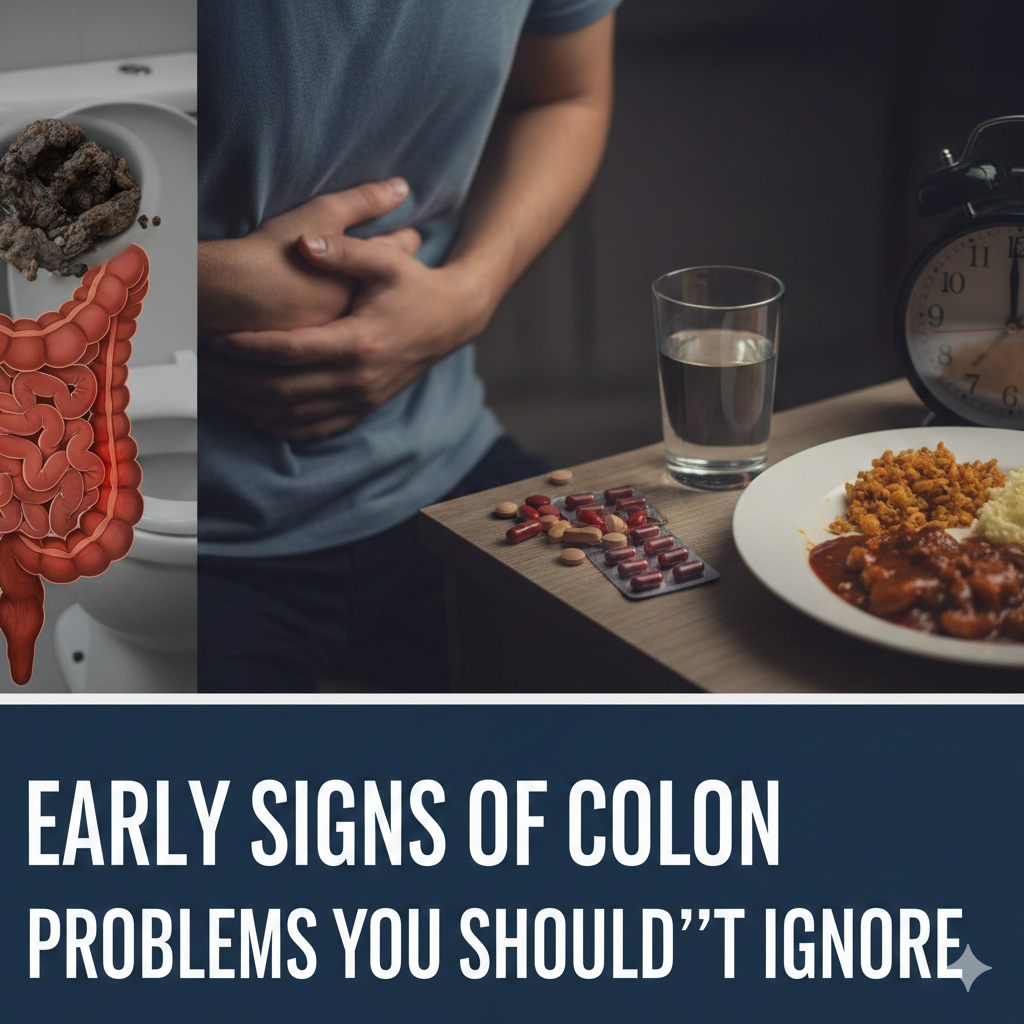
Early signs of colon problems often appear as persistent changes in bowel habits, unexplained discomfort, or subtle bleeding rather than severe pain. These signs are easy to dismiss, which is why understanding patterns matters more than any single symptom.
Most colon-related issues don’t start dramatically. They develop quietly, blending into daily routines until something feels “off for a while.” People often wait for sharp pain or obvious illness, but the colon rarely signals problems that way. This article explains the earliest signs of colon problems, how they typically show up in real life, which symptoms deserve attention, and how to avoid common misinterpretations—without panic or exaggeration.
Why Early Colon Symptoms Are Easy to Miss
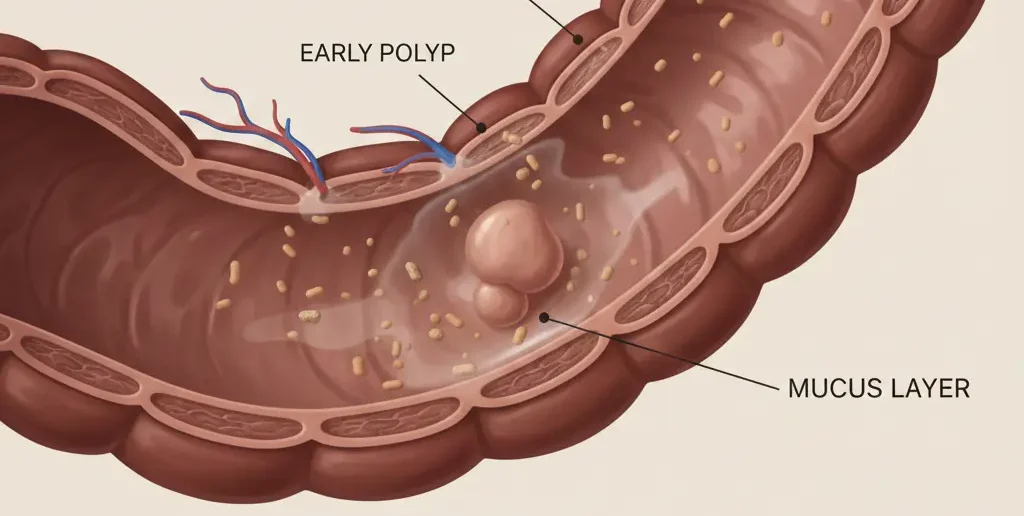
The colon doesn’t have many pain-sensitive nerves.
Because of this:
Early issues often feel mild
Symptoms come and go
Changes feel easy to rationalize
From practical observation, many people recognize symptoms only in hindsight, once patterns become clear. early signs of colon.
SERP Gap: What Most Articles Don’t Explain Clearly
Most articles list symptoms without explaining:
How long symptoms should last before concern
Which combinations matter more than isolated signs
Why mild symptoms can still be meaningful
This lack of context leads to either fear or neglect. early signs of colon
Information Gain: Pattern Beats Intensity
Here’s the key insight many top results miss:
With colon problems, persistence and pattern matter more than pain level.
A mild symptom lasting weeks is often more important than a severe symptom lasting a day.
Common Early Signs of Colon Problems
Change in Bowel Habits
This includes:
New constipation
Looser stools
Alternating patterns that weren’t normal before
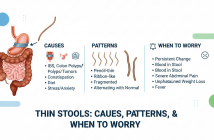
What matters is change from your usual pattern, especially if it lasts more than a couple of weeks.
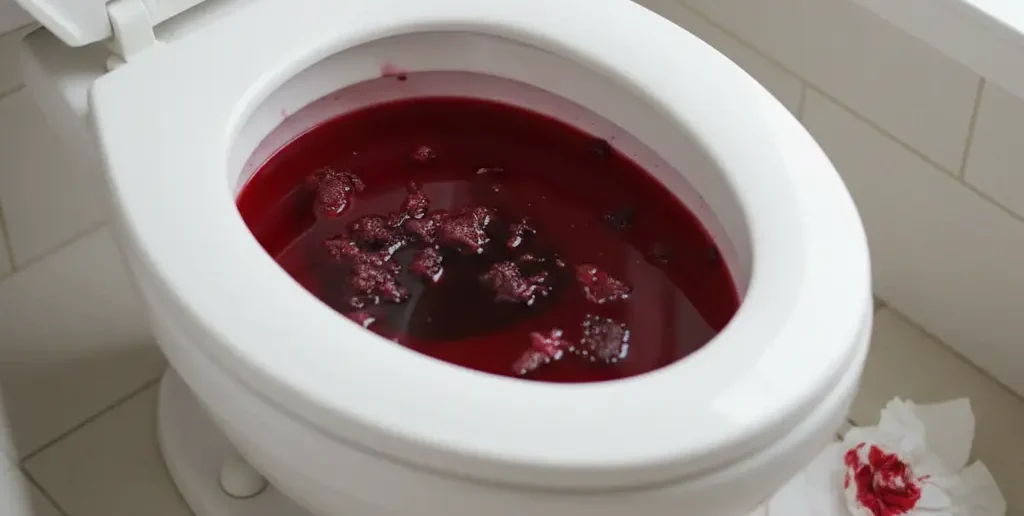
Blood in Stool or on Toilet Paper
Early bleeding is often:
Bright red
Painless
Intermittent
While many causes are benign, repeated bleeding should never be ignored.
Ongoing Abdominal Discomfort
This may feel like:
Cramping
Pressure
A dull ache
Pain that’s mild but persistent is more relevant than sharp, short-lived discomfort. Feeling of Incomplete Bowel Emptying
Repeatedly feeling like you “didn’t finish” after a bowel movement can signal coordination or structural changes. early signs of colon
Unexplained Fatigue
Slow blood loss or chronic inflammation can contribute to fatigue, even without obvious digestive pain.
early signs of colon
Table: Early Colon Symptoms vs Normal Digestive Upset
| Symptom | Early Colon Issue | Temporary Upset |
| Duration | Weeks or longer | Days |
| Pattern | Repeats consistently | Comes and goes |
| Bleeding | May recur | Rare |
| Night symptoms | Possible | Uncommon |
| Improves on its own | Often no | Usually yes |
This comparison reflects how clinicians separate noise from signal.
UNIQUE SECTION: Real-World Scenario
“I Thought It Was Just My Diet”
A very common story:
A person notices mild bowel changes
They blame stress or food
Months pass before patterns become obvious
In real clinical settings, many evaluations start with:
“I didn’t think it mattered because it wasn’t painful.”
Pain is not the main indicator of colon health. early signs of colon
Common Mistakes People Make (and Smarter Fixes)
Mistake 1: Waiting for Severe Pain
Fix: Track duration and consistency instead.
Mistake 2: Assuming Blood Is Always Hemorrhoids
Fix: Reassess if bleeding continues.
Mistake 3: Resetting Diet Every Few Days
Fix: Hold changes steady long enough to observe patterns.
⚠️[Expert Warning]
Colon symptoms that persist, worsen, or combine (for example, bleeding plus habit change) should always be evaluated—even if discomfort is mild. early signs of colon
When Early Symptoms Matter More
Symptoms deserve attention sooner when they:
Last more than 3–4 weeks
Appear after mid-adulthood
Occur at night
Come with fatigue or weight loss
These patterns raise priority—not panic. early signs of colon
[Pro-Tip]
If a symptom feels “new for you” and doesn’t reset after lifestyle adjustments, it’s worth discussing—even if it seems minor.
https://youtu.be/T3id0vnQi1g
FAQ:
Q1. Are early colon problems painful?
Usually not. Many early issues cause mild or no pain.
Q2. How long should symptoms last before concern?
Symptoms lasting several weeks deserve attention.
Q3. Is blood in stool always serious?
No, but repeated bleeding should be evaluated.
Q4. Can stress cause colon symptoms?
Stress can worsen symptoms, but it shouldn’t be assumed as the only cause.
Q5. Do symptoms always mean cancer?
No. Many colon problems are non-cancerous.
Q6. Should I track symptoms?
Yes. Tracking duration and patterns is very helpful.
Conclusion:
Early signs of colon problems are rarely dramatic—but they are meaningful. The colon communicates through patterns, persistence, and subtle changes, not sudden pain. Paying attention early doesn’t mean assuming the worst; it means giving yourself clarity and control. When symptoms linger or repeat, evaluation is a step toward reassurance—not fear. early signs of colon
INTERNAL LINK
Best Daily Habits for Colon Health: Simple Routine for Better Digestion 2026
External Link:
https://colondaily.com/index.php/2026/01/07/mucus-in-stool-causes-whats-normal-and-whats-not/