
Introduction
Daily Fiber Intake for Colon Health by adding bulk and holding water in stool, which helps movement. Too little fiber slows digestion, but too much—too fast—can worsen bloating and discomfort.
Fiber is often treated like a cure-all for digestive problems. If someone struggles with bowel issues, Daily Fiber Intake for Colon Health the advice is almost automatic: “eat more fiber.” Yet many people increase fiber and feel worse. The reason is not that fiber is bad—it’s that fiber works only when intake, hydration, and timing are balanced. This article explains how fiber affects the colon, how much is usually helpful, common mistakes people make, and how to adjust fiber intake in a way your colon can actually tolerate.
What Daily Fiber Intake for Colon Health Does in the Colon
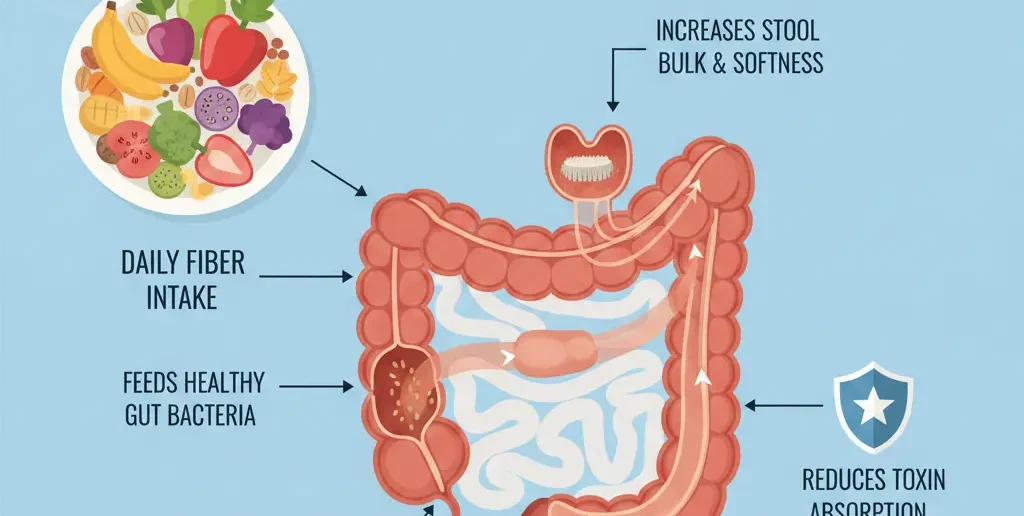
By the time food reaches the colon, fiber becomes one of the main drivers of stool formation.
Fiber helps by:
Adding bulk to stool
Holding water inside stool
Feeding beneficial gut bacteria
Encouraging regular movement
From practical experience, people notice the biggest benefit when fiber intake is consistent and gradual, not sudden or extreme.
Types of Fiber and Their Role in Daily Fiber Intake for Colon Health
Not all fiber behaves the same way in the colon.
Soluble Fiber
Absorbs water
Forms a soft gel
Helps stool move smoothly
Insoluble Fiber
Adds structure and bulk
Speeds up movement
Most people do best with a mix of both, rather than focusing on one type alone.
SERP Gap: Daily Fiber Intake for Colon Health
Most fiber guides:
Push high numbers
Ignore hydration
Skip adaptation time
What’s missing is an explanation of how quickly fiber changes should happen and why sudden increases often backfire.
Information Gain: Fiber Works Only When the Colon Can Adapt
Here’s the key insight many top results skip:
The colon needs time to adapt to fiber increases. Rapid changes cause gas, pressure, and irregularity.
Fiber adaptation comparison:
| Fiber Change Pattern | Colon Response |
| Gradual increase | Improved regularity |
| Sudden high intake | Bloating, cramps |
| High fiber + low water | Hard stool |
| Balanced fiber + hydration | Comfortable movement |
This adaptation principle explains why “more fiber” sometimes makes symptoms worse.
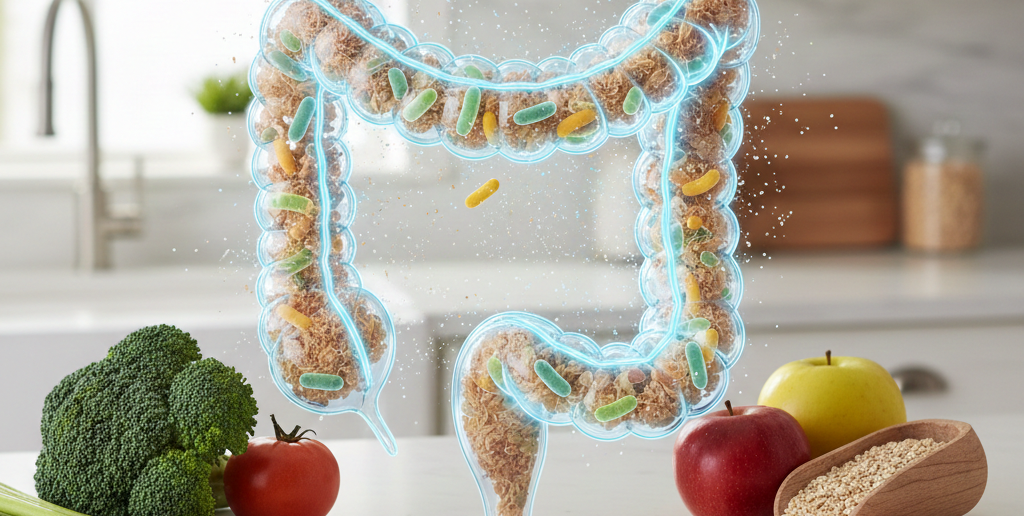
There’s no single perfect number for everyone. Daily needs depend on:
Current diet
Hydration level
Activity
Sensitivity of the gut
In real-world situations, signs of adequate fiber include:
Formed but soft stools
Minimal straining
Regular urges
Reduced bloating over time
UNIQUE SECTION: Beginner Mistake Most People Make
Increasing Fiber Too Fast
People often double their fiber intake overnight by adding:
Bran cereals
Fiber powders
Large salads
Fix: Increase fiber slowly over 7–14 days, allowing the colon to adjust.
Common Fiber Mistakes + Fixes
Mistake 1: Adding Fiber Without Water
Fix: Increase hydration alongside fiber.
Mistake 2: Relying Only on Supplements
Fix: Prioritize whole foods first.
Mistake 3: Eliminating Fiber After Discomfort
Fix: Reduce amount slightly instead of stopping completely.
Mistake 4: Ignoring Meal Timing
Fix: Spread fiber across meals, not all at once.
[Expert Warning]
Persistent bloating, pain, or bowel changes despite careful fiber adjustment should be discussed with a healthcare professional.
Practical Fiber-Friendly Daily Approach
| Meal | Fiber Strategy | Colon Benefit |
| Breakfast | Moderate fiber | Gentle activation |
| Lunch | Mixed fiber sources | Sustained movement |
| Snack | Fruit or nuts | Consistent intake |
| Dinner | Lighter fiber | Overnight comfort |
[Pro-Tip]
If fiber causes bloating, reduce the dose—not the frequency. Smaller, steady amounts work better than large bursts.
| Symptom | Likely Cause |
| Bloating | Fiber increased too fast |
| Hard stools | Fiber without water |
| Loose stools | Excess soluble fiber |
| Regular comfort | Balanced intake |
| Gas improves over time | Colon adapting |
FAQ
Q1. How much fiber is good for colon health daily?
Enough to produce soft, formed stools without discomfort.
Q2. Can too much fiber hurt digestion?
Yes, especially if added too quickly.
Q3. Should fiber come from food or supplements?
Food sources are usually better tolerated.
Q4. Why does fiber cause gas at first?
The colon needs time to adapt to increased fermentation.
Q5. Does hydration affect fiber tolerance?
Yes. Fiber works best with adequate water.
Q6. How long does it take to adjust to fiber?
Often 1–2 weeks with gradual increases.
Conclusion
Daily fiber intake plays a major role in colon health—but only when it’s balanced, gradual, and supported by hydration. More fiber isn’t always better. When fiber increases slowly and fits your routine, the colon adapts smoothly, digestion improves, and discomfort fades. Consistency beats extremes every time.
Internal link
https://colondaily.com/index.php/2026/01/07/water-intake-for-colon-health-how-much-really-helps/