Introduction:
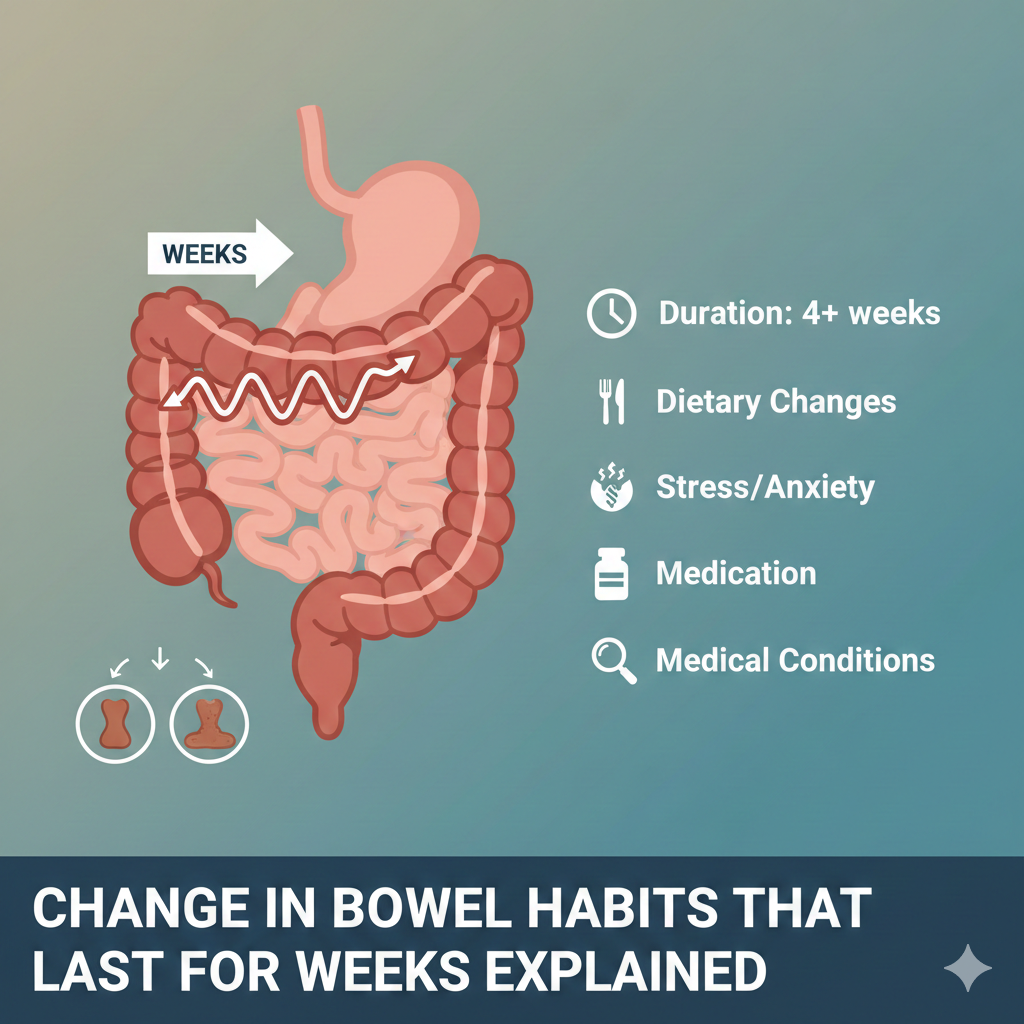
A change in bowel habits that lasts for weeks is usually linked to routine, stress, hydration, or diet patterns rather than sudden disease. What matters most is consistency over time, not a single off day.
When bowel habits shift for a few days, most people ignore it. When the same change lingers for weeks, concern sets in—often fueled by vague or alarmist answers online. The truth sits in the middle. The colon responds slowly and adapts to repetition. This article explains what counts as a meaningful change, why duration matters, which everyday factors quietly drive persistent shifts, common mistakes people make, and how to decide—calmly—when medical advice makes sense. change in bowel habits
What Doctors Mean by “Change in Bowel Habits”
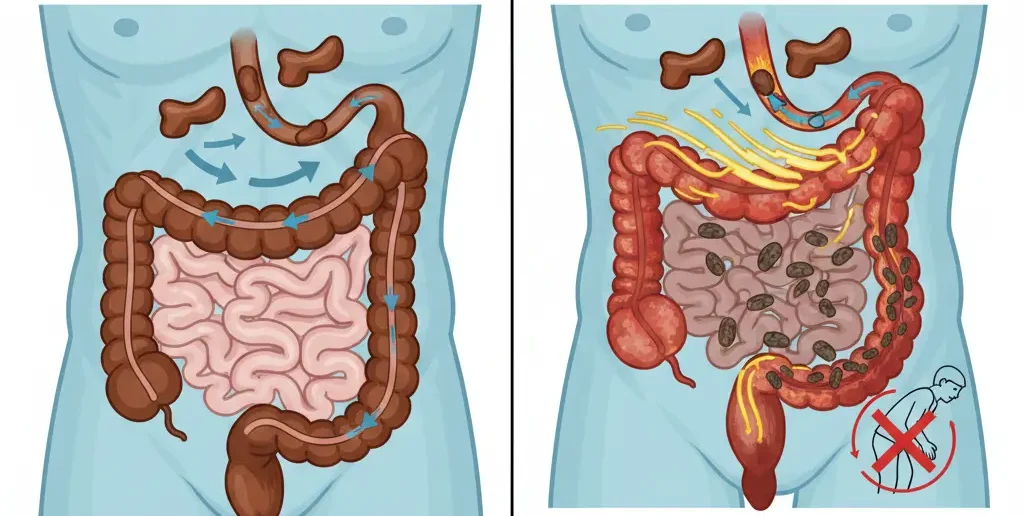
A bowel habit change isn’t just how often you go. It includes how it feels, how predictable it is, and whether the experience differs from your normal.
Common changes include:
Going more or less often than usual
Stool becoming looser, harder, or thinner
New urgency or delayed urges
Straining or feeling incomplete
Needing more time to finish
In practical settings, clinicians focus less on numbers and more on contrast: “Is this different from how your body usually behaves?”
Why “Weeks” Matter More Than Days
Short disruptions are common. Weeks suggest something consistent is influencing the colon.
Typical timelines
Days: travel, one-off meals, dehydration
1–2 weeks: schedule changes, sleep loss, acute stress
3+ weeks: repeated habits, ongoing stress load, sensitivity patterns
SERP Gap (What Top Pages Miss)
Many pages say “see a doctor if it lasts weeks” but don’t explain why. The colon is not a switch—it’s a system that learns patterns. change in bowel habits
Information Gain: The Colon Adapts to Repetition

Here’s the missing context most results skip:
The colon adjusts its movement and sensitivity based on what repeats.
When meals, hydration, stress, or ignored urges repeat for weeks, the colon recalibrates—sometimes in uncomfortable ways. change in bowel habits
| Repeating Influence | How the Colon Responds |
| Irregular meals | Unpredictable urges |
| Chronic stress | Tighter contractions |
| Low daily water | Slower stool movement |
| Ignoring urges | Duller sensation |
| Sudden fiber increase | Bloating or swings |
This explains why symptoms persist even when nothing “new” seems to be happening.
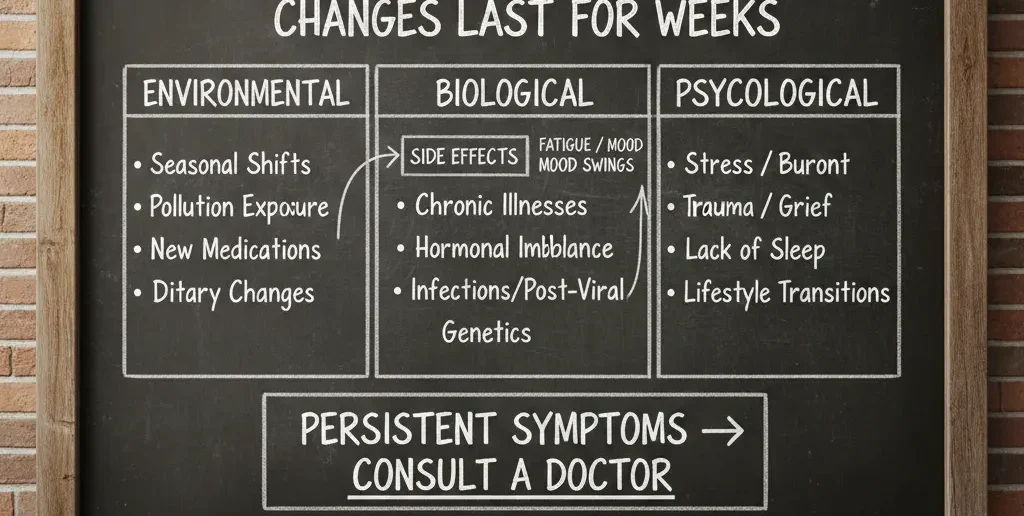
Common Causes When Changes Last for Weeks
1) Routine Drift (Most Common)
Work hours shift, movement drops, meals slide later. The colon thrives on rhythm; when rhythm slips, function follows. change in bowel habits
2) Stress and Mental Load
The gut and nervous system are tightly linked. From real usage patterns, prolonged stress often causes alternating stool types without pain. change in bowel habits
3) Fiber Mismatch
Not too little—often too much, too fast. The colon needs time to adapt.
change in bowel habits
4) Mild Dehydration Over Time
Small daily deficits add up, drying stool and slowing transit.
UNIQUE SECTION: Beginner Mistake Most People Make

Tracking Daily Output Instead of Weekly Patterns
People ask, “I went today—why do I still feel off?”
Clinicians ask, “How did this week compare to your usual week?”
Fix: Track comfort, ease, and predictability across 7–10 days, not single mornings.
Common Mistakes + Fixes
Mistake: Assuming frequency equals health
Fix: Prioritize comfort and completeness.
Mistake: Changing everything at once
Fix: Adjust one variable (water, timing, fiber) for a full week.
Mistake: Ignoring stress cues
Fix: Note workload, sleep, and anxiety alongside bowel notes.
⚠️ [Expert Warning]
If bowel changes persist for weeks with bleeding, unexplained weight loss, night pain, or worsening symptoms, seek medical evaluation. change in bowel habits
Practical Steps That Often Help (Actionable)

Drink water consistently through the day
Eat meals at predictable times
Walk briefly after meals to stimulate movement
Respond to urges instead of delaying
From practical situations, routine consistency helps more than aggressive diets.
💡 [Pro-Tip]
If symptoms ease on weekends, stress—not food—is often the main driver.
Relevant Table: Patterns That Guide Decisions
| Pattern | What It Often Suggests |
| Gradual change over weeks | Habit adaptation |
| Alternating stool types | Stress sensitivity |
| Worse after delaying urges | Reduced signaling |
| Improves with hydration | Slow transit |
Embedded YouTube (Contextual, Educational)
Suggested embed:
🎥
Internal Links:
https://colondaily.com/index.php/2026/01/08/colon-cancer-screening-tests/
External Link:
https://my.clevelandclinic.org/
FAQ:
Q1. Is a bowel habit change lasting weeks serious?
Usually not, but duration means patterns should be reviewed.
Q2. Can stress cause weeks-long changes?
Yes. Chronic stress commonly affects bowel rhythm.
Q3. Does this automatically mean IBS?
No. Many people experience temporary sensitivity without a diagnosis.
Q4. Should I overhaul my diet immediately?
Gradual changes work better than sudden shifts.
Q5. When should I see a doctor?
If changes persist with bleeding, weight loss, or increasing pain.
Conclusion:
A change in bowel habits that lasts for weeks is usually the result of repeated daily influences, not sudden illness. By understanding patterns, avoiding overreaction, and adjusting routines thoughtfully, most people improve. When changes escalate or combine with warning signs, professional guidance is appropriate—but panic rarely helps. change in bowel habits