Conditions Risks
Daily Calendar: Meaning, Benefits, Types, and How to Use It
By
Alley Harry
·
Oct 27, 2026
·
9
min read

A daily calendar is a simple tool that helps you organise your day, remember important dates, and manage your daily activities. Whether you are a student, a working professional, a business owner, or a homemaker, using a calendar can make your routine easier to manage.
With a daily calendar, you can plan meetings, track deadlines, remember birthdays, and schedule personal tasks. It also helps you understand how much time you have available and what you need to complete first.
Today, people use both printed calendars and digital calendar apps to organise their lives. Some prefer writing their plans on paper, while others use mobile phones and computers to receive reminders.
In this guide, you will learn what a daily calendar is, its different types, its benefits, and how to use it effectively.
What Is a Daily Calendar?
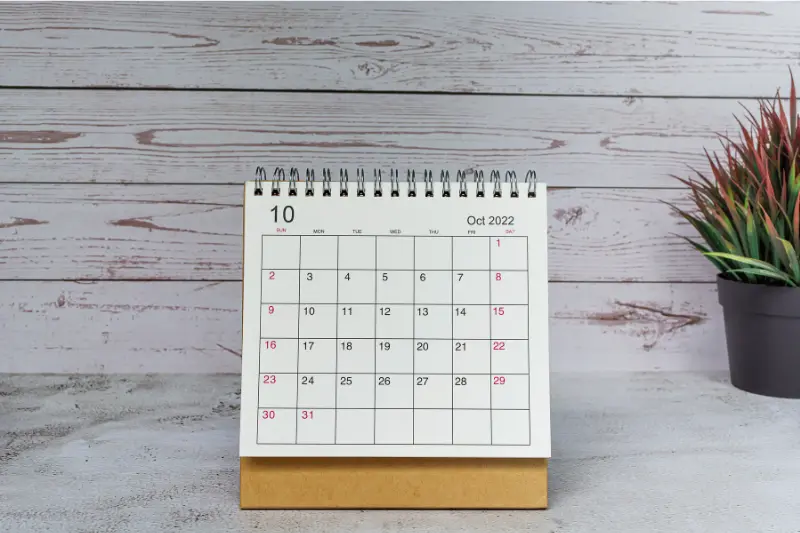 A daily calendar is a tool that displays dates and helps you organise activities for a particular day. Depending on its format, it may include a date, day of the week, important events, holidays, appointments, and personal reminders.
A daily calendar can be as simple as a printed page with a date or as advanced as a digital planner that sends notifications throughout the day.
For example, you can use a daily calendar to plan your morning exercise, office meetings, study sessions, shopping, and evening activities.
Unlike a general monthly calendar, a daily calendar often provides more space to record individual tasks and appointments. This makes it useful for people who want to manage their time carefully.
Types of Daily Calendars
Daily calendars are available in several formats. The best option depends on your lifestyle, preferences, and planning needs.
1. Printed Daily Calendar
A printed daily calendar is a paper-based calendar that you can keep on your desk, wall, or study table.
It allows you to write down tasks, appointments, deadlines, and reminders by hand. Many people prefer this format because it is easy to use and does not require a mobile phone or internet connection.
Printed calendars are useful for students, office workers, teachers, and people who enjoy writing their plans on paper.
2. Digital Daily Calendar
A digital daily calendar is available through a mobile application, computer programme, or online service.
It allows users to create events, schedule meetings, set reminders, and update plans whenever needed.
Digital calendars are particularly helpful for people with busy schedules because they can receive notifications before an appointment or deadline.
You can also access many digital calendars across multiple devices, depending on the service and your account settings.
3. Personal Daily Planner
A personal daily planner helps you organise your routine according to your goals and responsibilities.
You can divide your day into different periods, such as morning, afternoon, and evening. Each section can include tasks related to work, education, health, family, or personal development.
This type of calendar is useful when you want to build better habits and maintain a balanced routine.
4. Academic Daily Calendar
An academic daily calendar is designed for students, teachers, and educational institutions.
It can include class schedules, examination dates, assignment deadlines, holidays, and study sessions.
Students can use it to prepare for examinations, complete homework on time, and manage multiple subjects without forgetting important tasks.
5. Business Daily Calendar
A business daily calendar helps professionals and business owners organise meetings, appointments, project deadlines, and work activities.
It can also help teams coordinate schedules and avoid appointment conflicts.
For freelancers and remote workers, a daily calendar can make it easier to manage client meetings, project work, and personal commitments.
You may also like it:
Tamil Daily Calendar 2026: Dates, Festivals, Tamil… | ColonDaily
Gold Earrings Designs for Daily Use: Stylish and… | ColonDaily
Daily Objects: Common Everyday Items and Their Uses | ColonDaily
Daily Times Cartoon Today: Latest Cartoon, Meaning, and… | ColonDaily
Benefits of Using a Daily Calendar
Using a daily calendar offers several benefits when you update it regularly and follow your planned schedule.
Better Time Management
A daily calendar helps you decide how to use your available time. You can assign specific periods to important tasks and avoid spending too much time on less important activities.
For example, you can schedule two hours for work, one hour for learning, and time for exercise or family responsibilities.
Fewer Missed Appointments
Writing down appointments and deadlines reduces the need to remember everything mentally.
Digital calendars can also send reminders, helping you prepare for meetings, examinations, and other important events.
Improved Productivity
A clear daily plan helps you focus on what needs to be completed.
Instead of deciding what to do every few minutes, you can follow your schedule and move from one task to the next.
Reduced Daily Stress
When your responsibilities are organised in one place, it becomes easier to understand what needs your attention.
A calendar cannot remove every challenge, but it can reduce the stress caused by forgotten appointments, unclear priorities, and poor planning.
Support for Healthy Habits
You can use a daily calendar to schedule exercise, reading, meal preparation, sleep, and other healthy activities.
Recording these activities can help you maintain a consistent routine and notice whether you are making progress toward your personal goals.
How to Use a Daily Calendar Effectively
You do not need a complicated system to benefit from a daily calendar. A few simple steps can help you make better use of it.
Step 1: List Your Important Tasks
Start by writing down the activities you need to complete during the day.
These may include work assignments, household responsibilities, study sessions, appointments, or personal errands.
Step 2: Set Your Priorities
Identify which tasks are most important or time-sensitive.
Complete urgent and important tasks first when possible. Less urgent activities can be scheduled for later in the day.
Step 3: Assign Time to Each Activity
Give each task a realistic time slot.
For example, if you need to study for an examination, schedule a specific period instead of writing only "study" on your calendar.
Remember to leave some free time for breaks, travel, unexpected tasks, and delays.
Step 4: Add Important Dates and Reminders
Include birthdays, meetings, examinations, bill payment dates, and other important events.
If you use a digital calendar, enable reminders for events that you cannot afford to miss.
Step 5: Review Your Schedule
Check your calendar in the morning to understand your plans for the day.
At night, review what you completed and move unfinished tasks to a suitable time. This helps you create a more realistic schedule for the next day.
Example of a Daily Calendar Schedule
Here is a simple example of how you can organise a normal weekday.
| Time |
Activity |
| 7:00 AM |
Wake up and get ready |
| 8:00 AM |
Breakfast and daily planning |
| 9:00 AM |
Work or study |
| 11:00 AM |
Short break |
| 11:15 AM |
Continue important tasks |
| 1:00 PM |
Lunch and rest |
| 2:00 PM |
Meetings, classes, or assignments |
| 4:00 PM |
Exercise or personal errands |
| 5:00 PM |
Finish remaining tasks |
| 7:00 PM |
Family time and dinner |
| 8:00 PM |
Reading or personal learning |
| 9:00 PM |
Review the day and plan tomorrow |
This schedule is only an example. You can adjust the timings according to your work hours, school timetable, family responsibilities, and personal preferences.
The main goal is to create a routine that supports your needs rather than following a schedule that feels difficult to maintain.
Daily Calendar vs. Monthly Calendar
A daily calendar and a monthly calendar serve related but different purposes.
A daily calendar focuses on individual tasks, appointments, and activities. A monthly calendar provides a broader view of dates and events across an entire month.
For example, you might use a monthly calendar to mark an examination date and a daily calendar to organise the study sessions leading up to that examination.
Using both formats together can help you manage long-term plans and everyday responsibilities.
Digital Daily Calendar Apps
Several digital tools can help you organise your schedule.
Google Calendar
Google Calendar allows users to create events, schedule meetings, set reminders, and view their schedules by day, week, or month.
It can be useful for students, professionals, families, and people managing multiple commitments.
Microsoft Outlook Calendar
Microsoft Outlook Calendar is commonly used for work schedules, meetings, appointments, and professional communication.
It can be particularly useful for people who already use Outlook for email and workplace tasks.
Apple Calendar
Apple Calendar helps users organise events and reminders across supported Apple devices. It can be a convenient option for people who use an iPhone, iPad, or Mac.
Paper Planner
A paper planner remains a practical choice for people who prefer handwriting their schedules. It does not require notifications, account registration, or an internet connection.
Before choosing a calendar tool, consider its ease of use, reminder features, privacy settings, and compatibility with your devices.
Tips for Creating a Useful Daily Calendar
Follow these tips to make your calendar easier to manage.
- Keep it simple: Start with a few important tasks rather than filling every hour.
- Be realistic: Allow enough time to complete each activity.
- Use clear descriptions: Write specific tasks instead of general notes.
- Include breaks: Rest periods help make your schedule more manageable.
- Avoid overplanning: Leave room for unexpected events.
- Review it regularly: Update your calendar when plans change.
- Celebrate progress: Recognise completed tasks and learn from unfinished ones.
Consistency is more important than creating a perfect schedule. A simple calendar that you use every day can be more helpful than a detailed planner that you rarely open.
Frequently Asked Questions
1. What is a daily calendar used for?
A daily calendar is used to organise tasks, appointments, reminders, and activities for a particular day. It helps people manage their time and remember important responsibilities.
2. Which daily calendar is best?
The best daily calendar depends on your needs. A printed planner is suitable for handwriting tasks, while digital calendars are useful for notifications, recurring events, and managing schedules across devices.
3. Can I use a daily calendar on my phone?
Yes. Many calendar applications allow you to create events, set reminders, and manage your daily schedule directly from your phone.
4. What should I include in my daily calendar?
You can include work tasks, classes, appointments, deadlines, exercise, household activities, personal goals, and reminders. Focus on the activities that matter most to your routine.
5. How does a daily calendar improve productivity?
A daily calendar helps you set priorities, allocate time, and keep track of important tasks. It reduces the need to remember every responsibility and makes it easier to focus on planned activities.
6. Is a daily calendar different from a daily planner?
A daily calendar mainly organises dates, appointments, and scheduled events. A daily planner often includes additional space for goals, task lists, notes, and progress tracking. However, the terms can overlap depending on the product.
Conclusion
A daily calendar is a practical tool for organising your time, managing responsibilities, and keeping track of important events. Whether you choose a printed planner or a digital application, a clear daily schedule can help you stay focused and make better use of your time.
Start by listing your most important tasks, setting realistic time slots, and reviewing your plans each day. As you develop the habit, you can adjust your calendar to suit your routine.
The key is to keep your system simple and consistent. With regular use, a daily calendar can become a valuable part of your personal, academic, and professional life.