Symptoms Signs
Daily Objects: Common Everyday Items and Their Uses
By
Alley Harry
·
Oct 21, 2026
·
9
min read
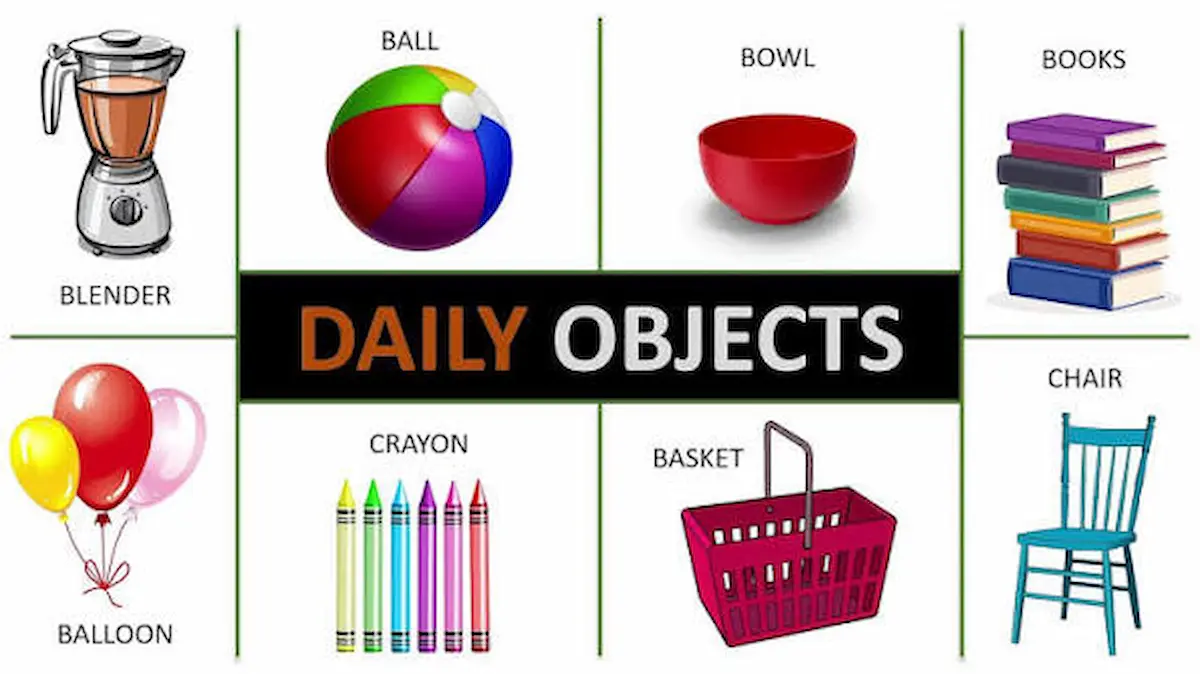
We use many things every day without thinking much about them. From a toothbrush in the morning to a mobile phone throughout the day, these items help us complete our daily activities. These common items are called daily objects.
Daily objects make our lives easier, more comfortable, and more organized. Some help us prepare food, while others support personal hygiene, communication, education, and work.
In this guide, you will learn what daily objects are, explore common examples, understand their uses, and discover how to keep everyday items clean and organized.
What Are Daily Objects?
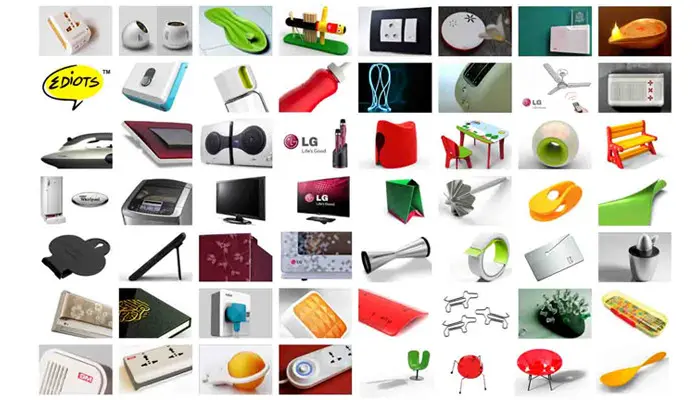 Daily objects are the things we regularly use in our everyday lives. They can be simple household items, personal belongings, school supplies, kitchen tools, or electronic devices.
For example, a cup helps us drink water, a pen helps us write, and a clock helps us keep track of time.
Some daily objects are used several times a day, while others are needed only for specific activities. Their main purpose is to make routine tasks easier and more convenient.
Common Daily Objects and Their Uses
Many objects are part of our daily routine. Here are some common examples and how we use them.
1. Mobile Phone
A mobile phone is one of the most commonly used objects today. People use it to make calls, send messages, browse the internet, take pictures, and access educational resources.
Mobile phones also help users manage their schedules, make payments, and stay connected with family and friends.
2. Toothbrush
A toothbrush is an essential personal care item. It helps remove food particles and plaque from teeth when used with fluoride toothpaste.
Brushing your teeth regularly supports good oral hygiene and helps maintain healthy teeth and gums.
3. Water Bottle
A water bottle allows people to carry drinking water to school, work, the gym, or while traveling.
Reusable bottles are convenient because they can be refilled throughout the day. Keeping a clean water bottle nearby can also make it easier to drink water regularly.
4. Pen and Pencil
Pens and pencils are common writing tools used by students, teachers, office workers, and many other people.
A pen is useful for writing notes, signing documents, and filling out forms. A pencil is especially helpful for drawing, sketching, and making changes to written work.
5. Notebook
A notebook helps people record important information, write assignments, prepare lists, and organize ideas.
Students use notebooks for class notes, while professionals may use them to plan tasks and keep track of meetings.
6. Clock or Watch
A clock or watch helps people manage their time. It allows them to check the time, arrive at appointments, and follow daily schedules.
Many modern watches also provide alarms, timers, fitness tracking, and notifications.
7. Keys
Keys are used to lock and unlock doors, cabinets, vehicles, and other secured spaces.
Keeping keys in a regular place can prevent them from getting lost. A key holder or small storage tray can make them easier to find.
8. Wallet
A wallet helps people carry cash, bank cards, identification cards, and other small personal items.
Digital payments have become more common, but wallets remain useful for storing essential belongings safely.
9. Towel
A towel is used to dry the body, hands, or face after washing. Different towels are designed for different purposes, including bathing, cleaning, and drying kitchen items.
Washing towels regularly and allowing them to dry properly helps keep them fresh and hygienic.
10. Bag
A bag helps people carry books, clothes, groceries, electronic devices, and other belongings.
School bags, handbags, backpacks, and shopping bags serve different purposes. Choosing the right bag depends on what you need to carry.
Daily Objects Used at Home
Homes contain many objects that help people cook, clean, relax, and maintain their living spaces.
Common household objects include:
- Chair: Provides a place to sit.
- Table: Provides a surface for eating, studying, and working.
- Bed: Provides a place to sleep and rest.
- Pillow: Supports the head and neck during sleep.
- Broom: Helps remove dust and dirt from floors.
- Bucket: Holds water for cleaning and other household tasks.
- Light bulb: Provides artificial light.
- Mirror: Helps people check their appearance.
- Remote control: Allows users to operate compatible electronic devices.
- Dustbin: Collects waste until it can be disposed of properly.
These objects may seem simple, but they play an important role in making a home functional and comfortable.
Daily Objects Used in the Kitchen
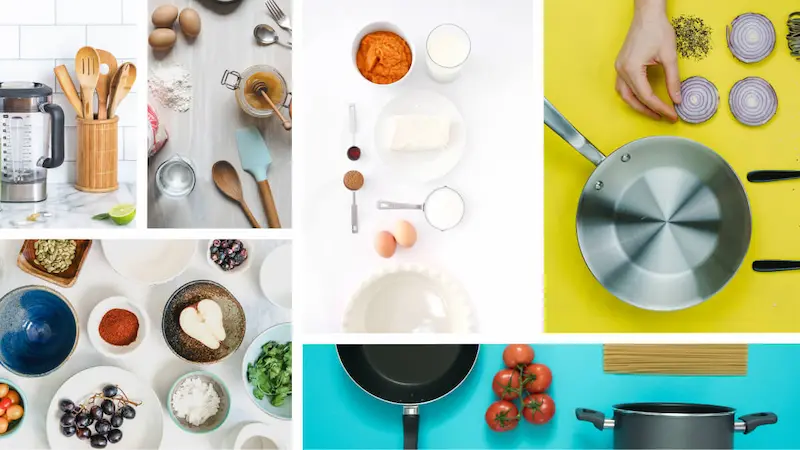 The kitchen is another place where people use many everyday items. These objects help prepare meals, store food, and keep the cooking area clean.
Common Kitchen Objects
Spoon: Used for eating, stirring, and serving food.
Plate: Holds food during meals.
Cup or glass: Used for drinking water, tea, juice, and other beverages.
Knife: Used to cut food. Kitchen knives should always be handled carefully and stored safely.
Cutting board: Provides a suitable surface for cutting vegetables, fruits, and other ingredients.
Cooking pot: Used to boil, simmer, and prepare different dishes.
Frying pan: Used to fry or sauté food.
Refrigerator: Keeps many perishable foods cool and helps slow spoilage.
Dishwashing sponge: Helps clean dishes and kitchen utensils.
Using the correct kitchen tools makes food preparation easier. Cleaning them properly also helps maintain food safety.
Daily Objects Used at School and Work
Students and office workers depend on different objects to complete their tasks.
| Daily object |
Main use |
| Pen |
Writing notes and documents |
| Notebook |
Recording information |
| Computer |
Completing digital tasks |
| Keyboard |
Entering text and commands |
| Mouse |
Controlling the computer pointer |
| Calculator |
Performing calculations |
| Stapler |
Fastening sheets of paper |
| Folder |
Organizing documents |
| Desk |
Providing a work surface |
| Headphones |
Listening to audio and attending online meetings |
Some workplaces require specialized equipment, but these everyday objects are useful in many educational and professional settings.
Personal Care Objects We Use Every Day
Personal care objects help people maintain cleanliness and look after their bodies.
Common examples include:
- Toothbrush and toothpaste for oral care
- Soap for washing hands and the body
- Shampoo for cleaning hair
- Comb or hairbrush for grooming
- Nail clippers for trimming nails
- Towel for drying the body
- Deodorant for managing body odor
- Tissue paper for personal hygiene
Personal care objects should be kept clean and stored properly. Items such as toothbrushes, razors, and nail clippers should not be shared because doing so can spread germs or infections.
Electronic Objects Used in Daily Life
Technology has made many daily activities faster and more convenient. Electronic objects help people communicate, work, learn, and enjoy entertainment.
Common Electronic Objects
Laptop: Used for studying, working, browsing, and creating digital content.
Television: Provides entertainment, news, and educational programs.
Refrigerator: Helps preserve many foods at safe temperatures.
Washing machine: Cleans clothes with less manual effort.
Microwave oven: Heats or cooks suitable foods quickly.
Electric fan: Moves air to improve comfort.
Charger: Supplies power to compatible electronic devices.
Headphones: Allow people to listen to audio without using external speakers.
Electronic objects should be used according to their instructions. Keep electrical devices away from water unless they are specifically designed for wet conditions, and use compatible chargers and power accessories.
Why Are Daily Objects Important?
Daily objects make ordinary tasks easier and help people manage their time and responsibilities.
They Save Time
Tools such as washing machines, calculators, and kitchen appliances help people complete tasks more quickly.
They Improve Comfort
Beds, chairs, fans, and suitable clothing help make everyday life more comfortable.
They Support Learning
Books, notebooks, pens, computers, and calculators help students learn and complete assignments.
They Improve Communication
Mobile phones, laptops, and other communication devices help people stay in touch with others.
They Help Maintain Cleanliness
Soap, toothbrushes, towels, cleaning cloths, and dustbins support personal and household hygiene.
They Help Keep Things Organized
Folders, bags, storage boxes, shelves, and key holders make it easier to find and store belongings.
How to Keep Daily Objects Clean and Organized
Taking care of everyday items can help them last longer and remain safe to use.
- Clean items regularly. Wipe frequently touched surfaces and wash reusable items according to their care instructions.
- Store objects in the right place. Keep keys, stationery, and other small items in designated locations.
- Avoid unnecessary sharing. Personal hygiene products should generally be used by one person.
- Check electronic devices. Look for damaged cables, loose connections, and signs of overheating.
- Repair or replace damaged items. Broken tools and damaged electrical accessories can create safety risks.
- Reuse suitable items. Refillable bottles, reusable shopping bags, and durable containers can reduce waste.
- Dispose of waste responsibly. Recycle suitable materials and take batteries and electronic waste to appropriate collection points.
A few simple habits can keep everyday objects useful, safe, and easy to find.
How to Choose the Right Daily Objects
You do not always need expensive products to meet your everyday needs. Focus on quality, usefulness, safety, and durability.
Before purchasing an item, consider the following questions:
- Do I really need this object?
- Is it suitable for its intended purpose?
- Is it easy to clean and maintain?
- Is it durable enough for regular use?
- Does it offer good value for its price?
- Can I repair or reuse it instead of replacing it?
For example, a durable water bottle may be more practical than repeatedly buying disposable bottles. Similarly, a simple notebook may be enough for taking notes without purchasing an expensive electronic device.
Choosing objects carefully can help reduce clutter and unnecessary spending.
Frequently Asked Questions (FAQs)
1. What are daily objects?
Daily objects are items people use regularly in everyday life. Examples include mobile phones, toothbrushes, pens, cups, bags, chairs, and kitchen utensils.
2. What are 10 examples of daily objects?
Ten common examples are a mobile phone, toothbrush, water bottle, pen, notebook, clock, keys, wallet, towel, and bag.
3. What daily objects do we use at home?
Common household objects include chairs, tables, beds, pillows, brooms, buckets, mirrors, light bulbs, remote controls, and dustbins.
4. Why are daily objects important?
Daily objects help people complete routine tasks, save time, maintain cleanliness, communicate, study, work, and organize their belongings.
5. What are some daily objects used by students?
Students commonly use pens, pencils, notebooks, books, school bags, rulers, erasers, calculators, computers, and water bottles.
6. How can we take care of daily objects?
Clean objects regularly, store them properly, follow care instructions, avoid damaging them, and repair or replace unsafe items when necessary.
7. How can daily objects help protect the environment?
Reusable bottles, cloth shopping bags, durable containers, and repairable products can reduce waste. Recycling suitable materials also helps conserve resources.
Conclusion
Daily objects are an important part of everyday life. From simple items such as pens and cups to electronic devices such as mobile phones and computers, these objects help us complete tasks more easily.
Understanding their uses can help us choose the right products, maintain a clean environment, and organize our belongings. By taking proper care of everyday items and avoiding unnecessary purchases, we can make daily life more convenient while reducing waste.